3 Reasons to Start a Pallet Disposal Business
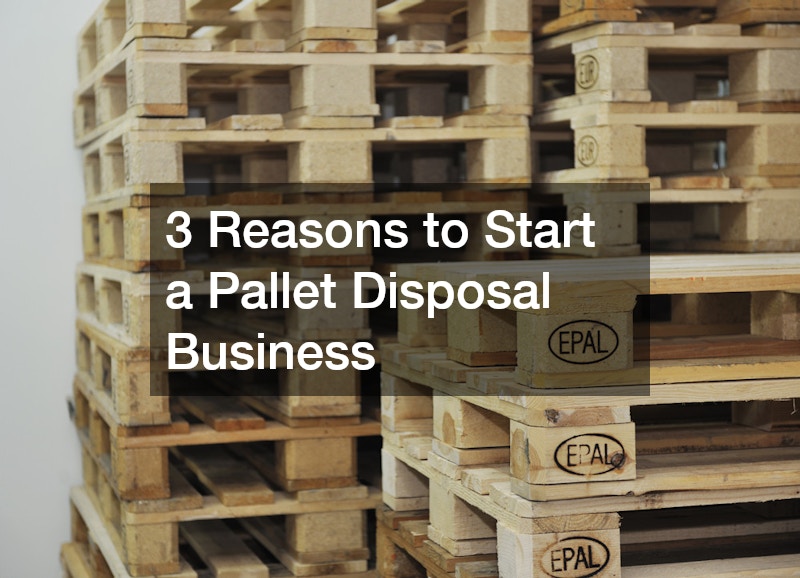
Starting a pallet disposal business is not only a sustainable endeavor but also a profitable opportunity. In this article, we will explore three compelling reasons why you should consider diving into this niche market. The pallet industry offers various avenues to explore, ranging from recycling wood waste to transforming wooden pallets into new products. Moreover, with businesses becoming more conscious of their carbon footprint, there is a growing need for ethical waste management solutions.
A pallet disposal business, therefore, meets the modern demand for eco-consciousness while generating revenue.
What are the profit margins in a pallet disposal business?
Profitability is a significant consideration when starting any business, and the pallet disposal industry is no different. In this section, we will discuss what kind of profit margins one can expect in the pallet disposal industry, including factors that can affect profitability. On average, businesses can expect profit margins ranging from 20% to 30%, depending on efficiency and overhead costs. The ability to source free or low-cost pallets can significantly enhance these margins. Volume and repeat customers, who continuously require disposal services, can further increase profitability.
Several revenue streams contribute to the profitability of a pallet disposal business. Apart from charging collection fees, businesses can earn by selling refurbished pallets. By diversifying their services, such as offering custom pallet sizes and shapes, companies can cater to varied customer needs, thereby maximizing income. Many firms are looking to partner with sustainable businesses to enhance their green initiatives, creating strategic partnership opportunities. This diversification enables stabilization of revenue, particularly in fluctuating market conditions.
How does a pallet disposal business contribute to sustainability?
With increasing awareness of environmental issues, sustainability is a critical aspect of modern businesses. This section will delve into how a pallet disposal business can contribute positively to the environment and promote sustainable practices. Reducing waste sent to landfills is a significant environmental benefit of pallet disposal. When pallets are recycled or repurposed, it decreases the demand for new wood, thus conserving forests and reducing deforestation. Additionally, this industry supports a circular economy, where materials are kept in use for as long as possible.
Pallet disposal businesses encourage the use of eco-friendly practices by recovering and refurbishing used pallets. When these pallets are repaired, repainted, and resold, it extends their life cycle, reducing the need for new resources and minimizing waste. This not only benefits the environment but also offers customers a cost-effective alternative to buying new pallets. By reducing energy usage and carbon emissions associated with manufacturing new pallets, disposal businesses significantly lessen their carbon footprint. As such, they play an integral role in the supply chain’s sustainability efforts.
These positive environmental impacts are aligned with global initiatives aimed at reducing waste and pollution. Companies engaged in pallet disposal can market themselves as green businesses, appealing to eco-conscious consumers who prioritize sustainable practices. The pallet disposal sector is a vital component of the growing green economy, generating job opportunities while supporting environmental goals. Moreover, businesses that excel in their sustainability metrics can benefit from government incentives and grants designed to support eco-friendly operations. Therefore, starting a pallet disposal business is both a profitable and environmentally responsible decision.
What are the legal requirements to start a pallet disposal business?
Understanding legal requirements is essential before starting a business. Here, we will outline the necessary permits, registrations, and legal considerations for setting up a pallet disposal business. First and foremost, it is vital to incorporate your business and register it with state and local authorities. This process typically involves choosing a business structure, such as a sole proprietorship, partnership, or corporation, and securing an Employer Identification Number (EIN). Additionally, you may need to obtain a business license, which verifies that your business complies with all regulatory requirements.
The pallet disposal industry may also require environmental permits, depending on local regulations. These permits ensure that business operations meet specific environmental safety and health standards, especially when dealing with waste materials. Waste handling and disposal standards are governed by state and federal regulations which businesses must adhere to. Compliance with OSHA (Occupational Safety and Health Administration) standards is critical for ensuring safe working conditions for employees. Businesses should consult with legal professionals familiar with waste management laws to ensure they meet all local and federal requirements.
In conclusion, venturing into a pallet disposal business can be rewarding in terms of profit and sustainability. By understanding the profit margins, contributing to environmental health, and adhering to legal standards, you can successfully establish and grow your business. The pallet disposal industry offers ample growth opportunities for savvy entrepreneurs willing to invest in eco-friendly practices and efficient operations. As the world continues to prioritize sustainability, businesses that offer solutions to reduce waste and conserve resources are well-poised for success. Seizing this opportunity now could position your business as a leader in sustainable waste management.